
Disclosure Pending
I Want to Believe

Disclosure Pending
An independent analysis — May 13, 2026
Editorial note: All references to the “Department of War,” war.gov, and the PURSUE program reflect the official secondary title authorised by Executive Order 14347 (September 5, 2025), under which the U.S. Department of Defense operates publicly as the Department of War pending statutory legislation by Congress. The Department’s legal name remains the Department of Defense. These are verifiable primary sources, archived at war.gov and accessible via the Wayback Machine. The legislative analysis, institutional history, and documentary references throughout this essay are based entirely on publicly available congressional records, federal statutes, and official government publications. This essay combines documented legislative history with direct analysis of a real government disclosure event on May 8, 2026. Where conclusions represent inference rather than documented fact, this is explicitly noted.
I. The Announcement
On May 8, 2026, the United States Department of War — operating under the secondary title authorised by Executive Order 14347 (September 5, 2025) for the U.S. Department of Defense — launched a dedicated website at war.gov/UFO under the banner of a new program called PURSUE: the Presidential Unsealing and Reporting System for UAP Encounters.1,2
The announcement was substantial. Secretary of War Pete Hegseth, Director of National Intelligence Tulsi Gabbard, FBI Director Kash Patel, and NASA Administrator Jared Isaacman all issued statements.3 The White House framed it as a historic act of transparency, fulfilling President Trump’s February 19, 2026 directive — posted on Truth Social — to release all government files related to unidentified anomalous phenomena, alien and extraterrestrial life, and UFOs.4
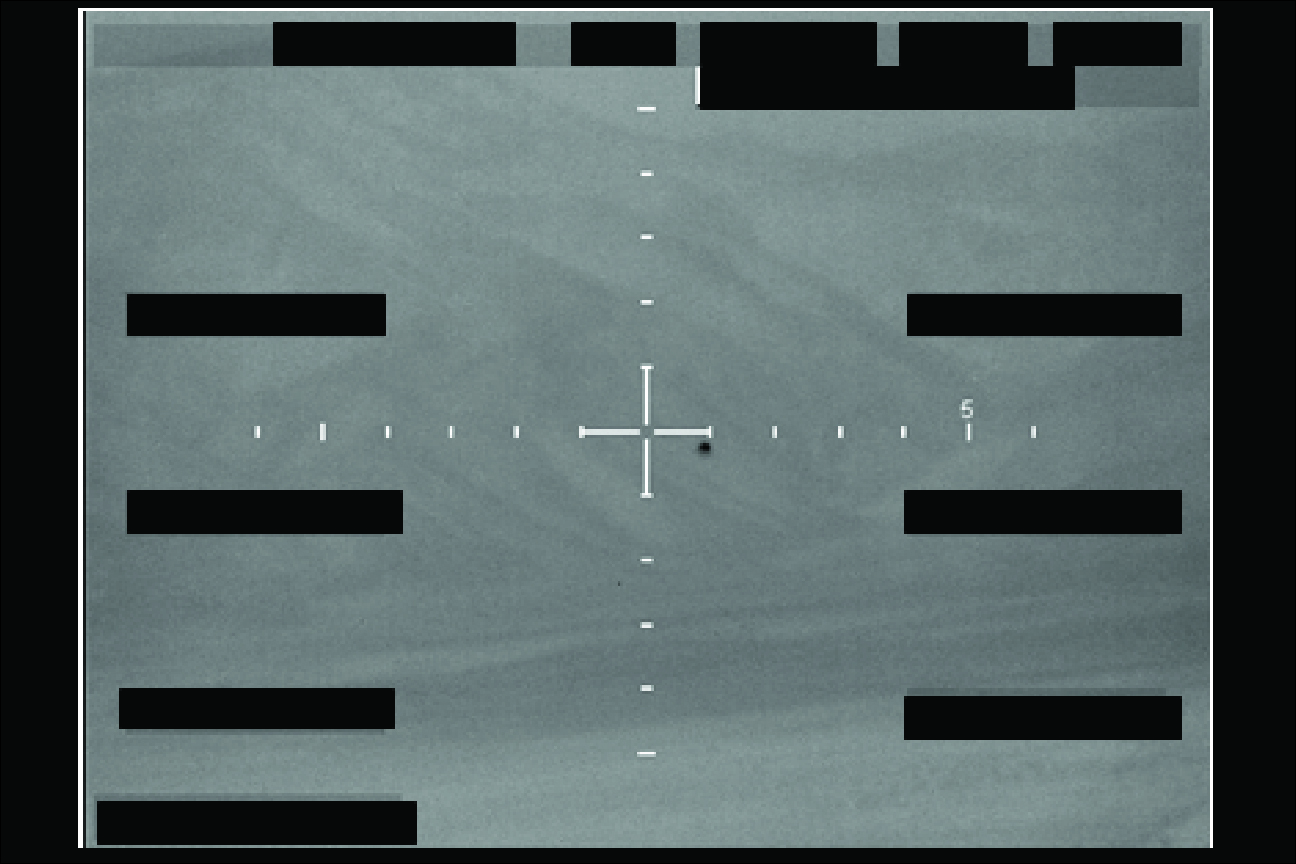
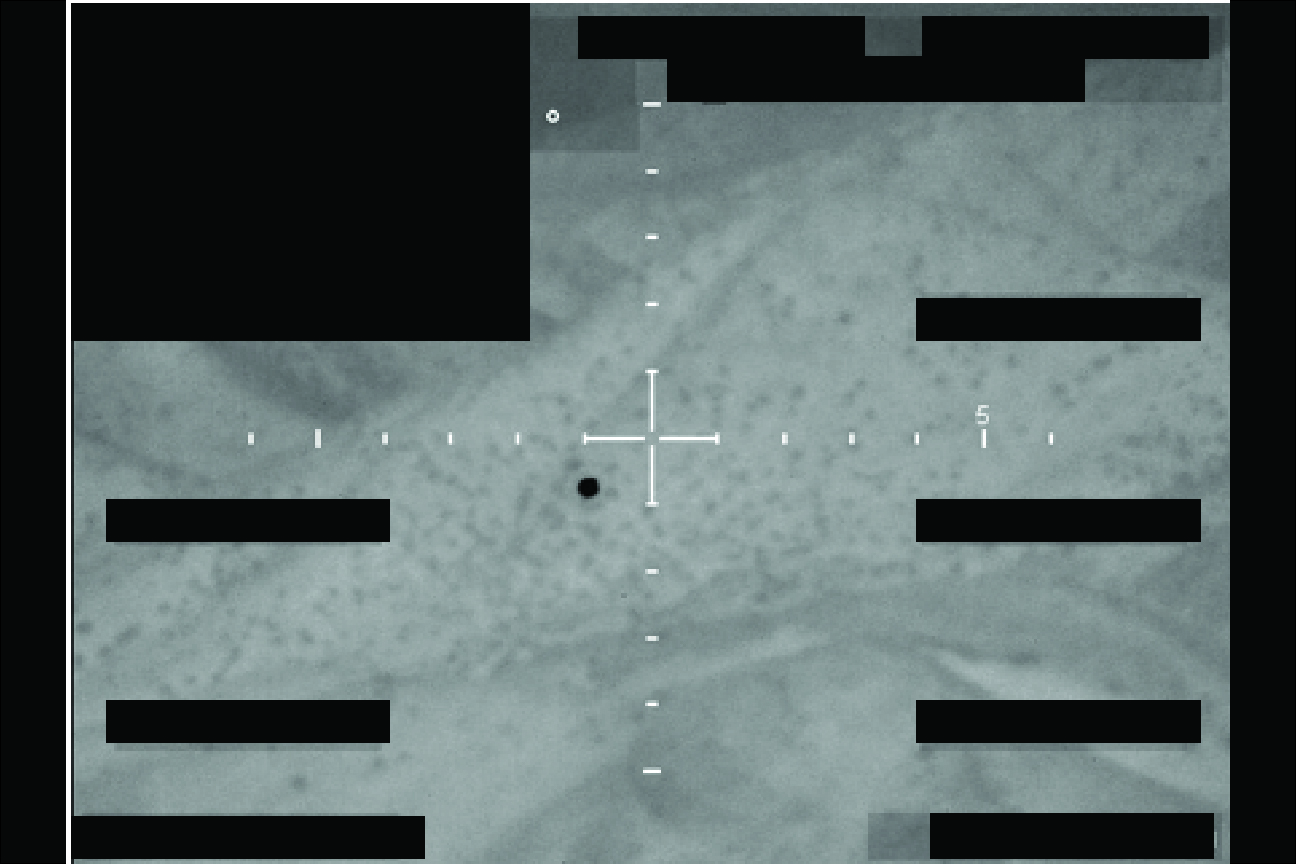
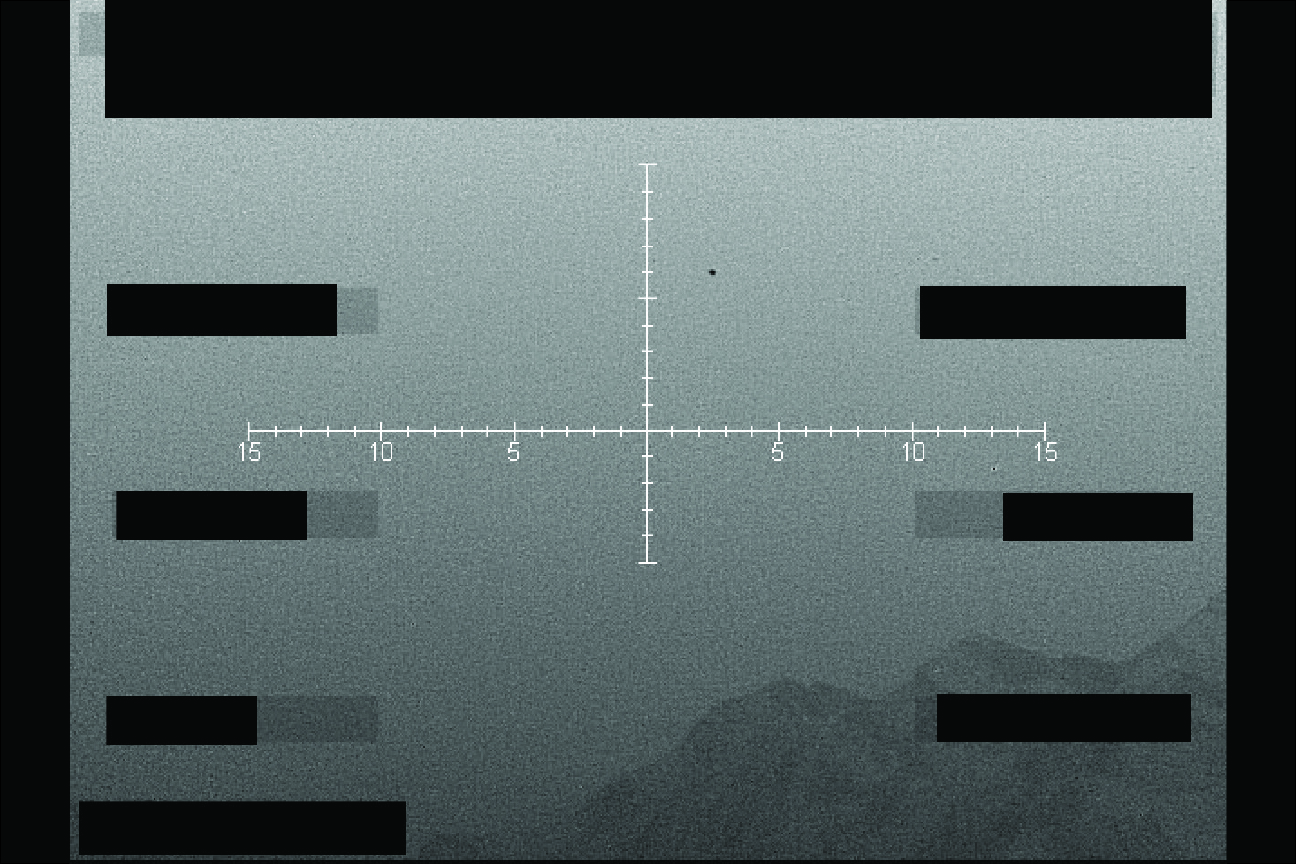
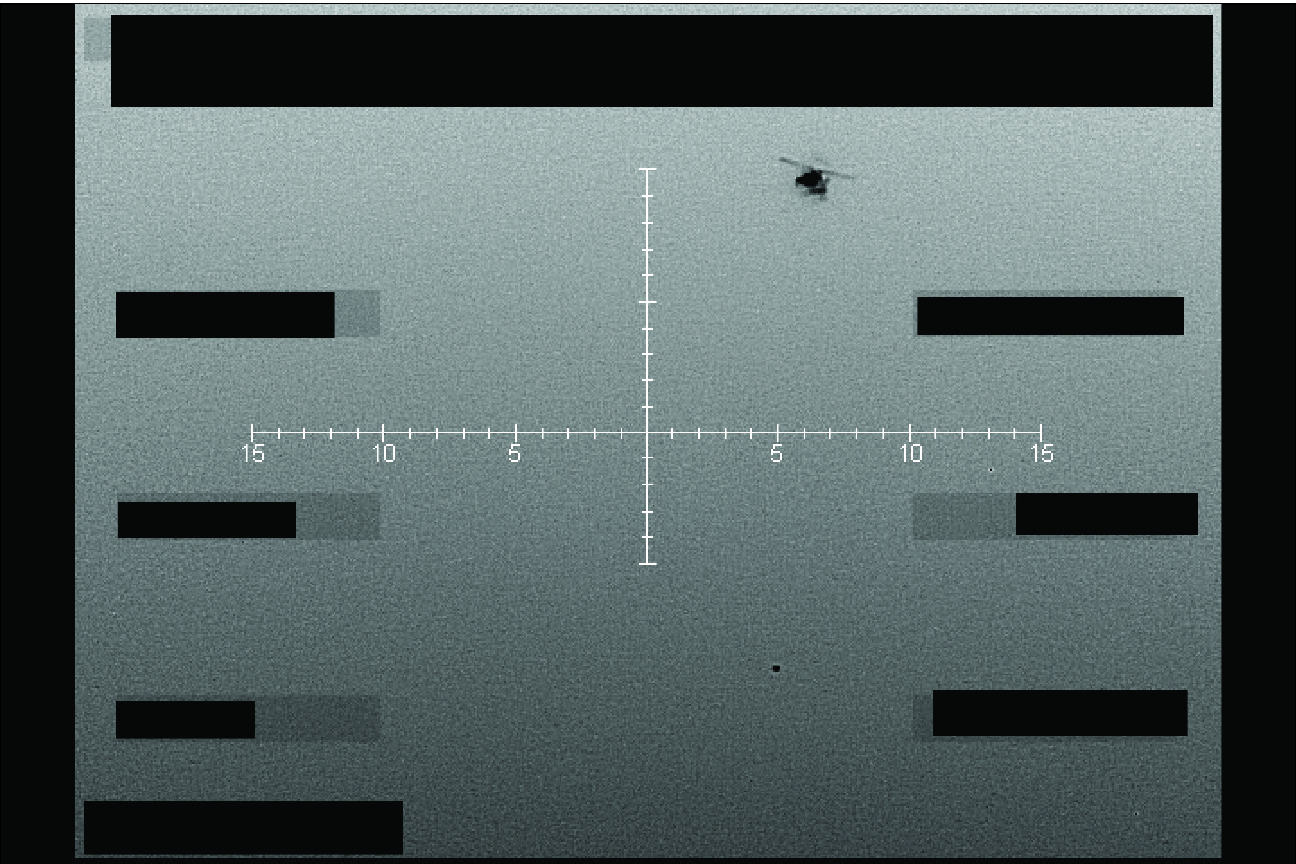
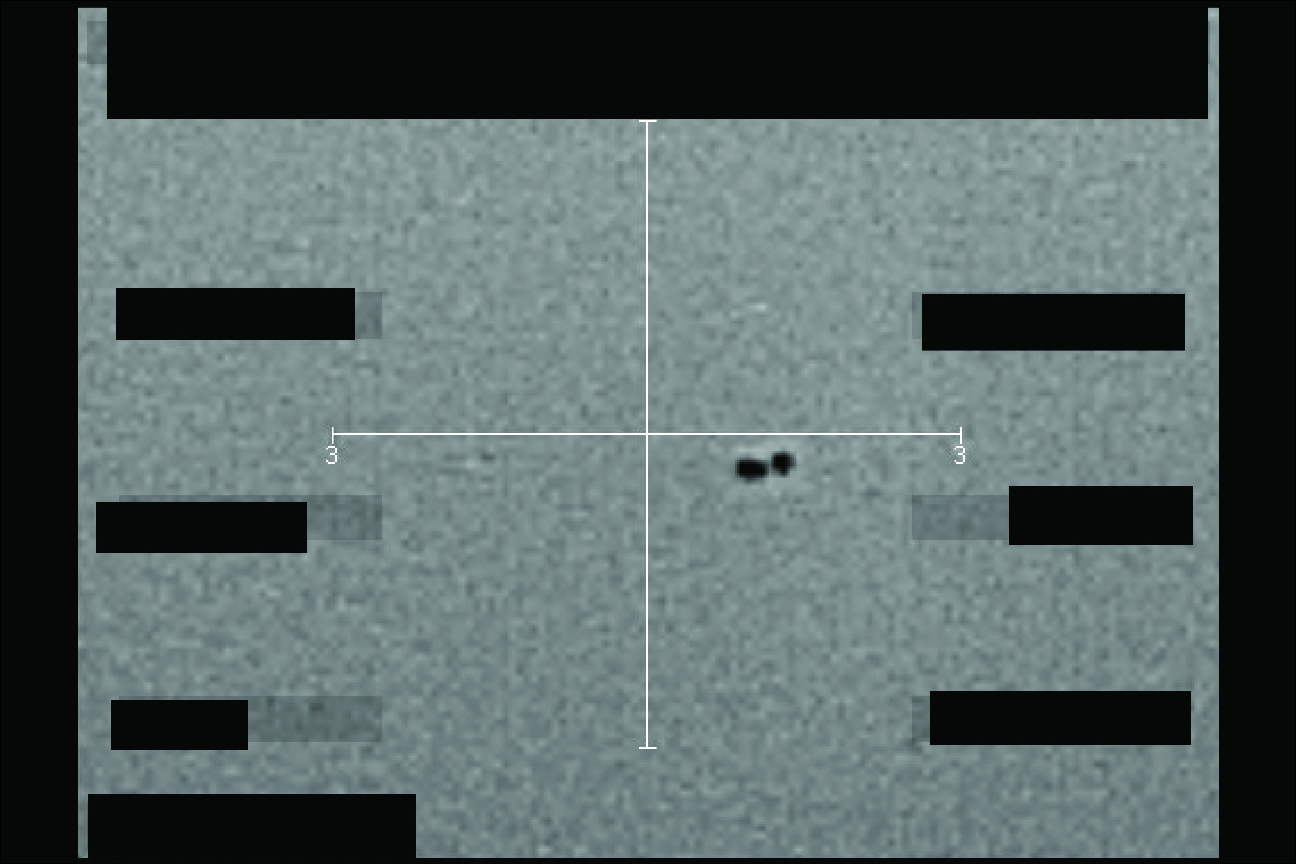
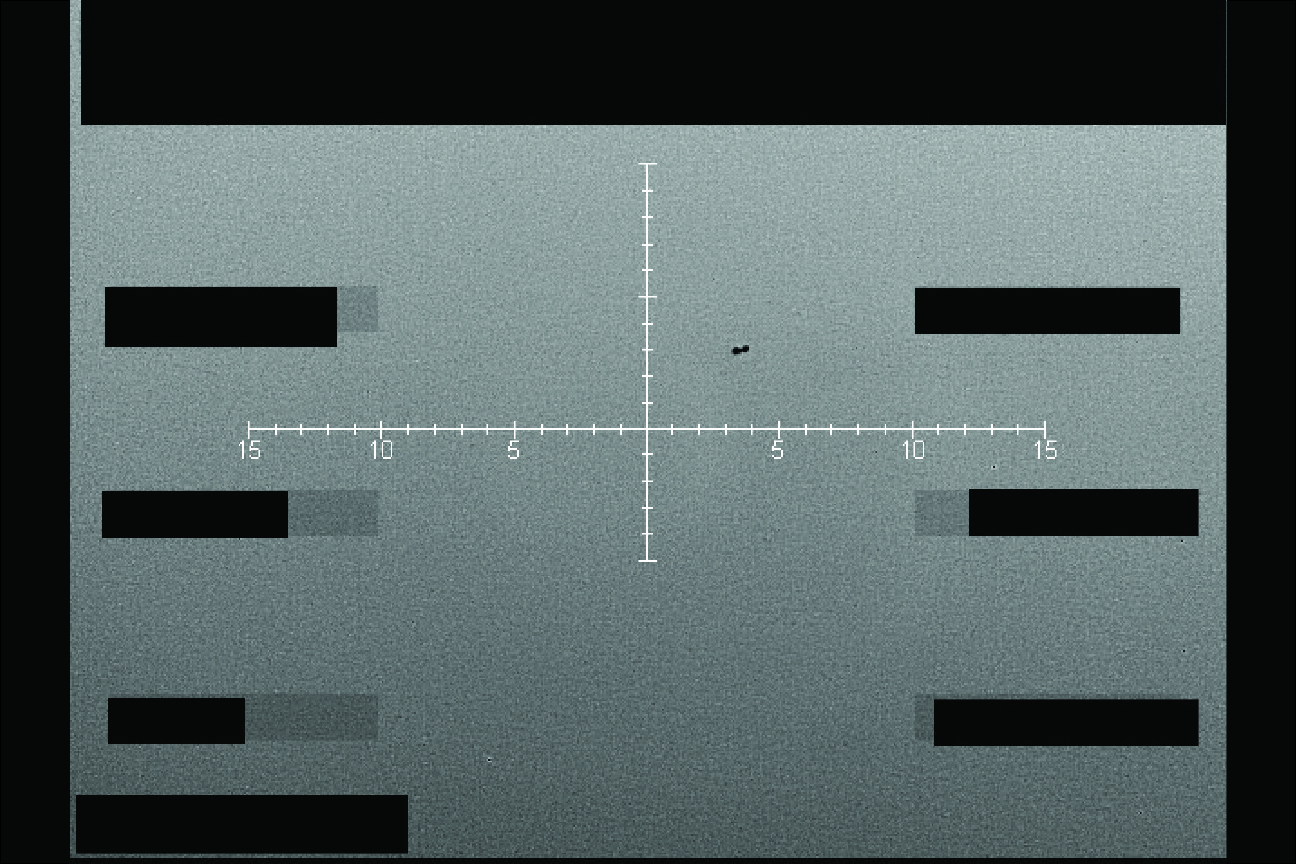
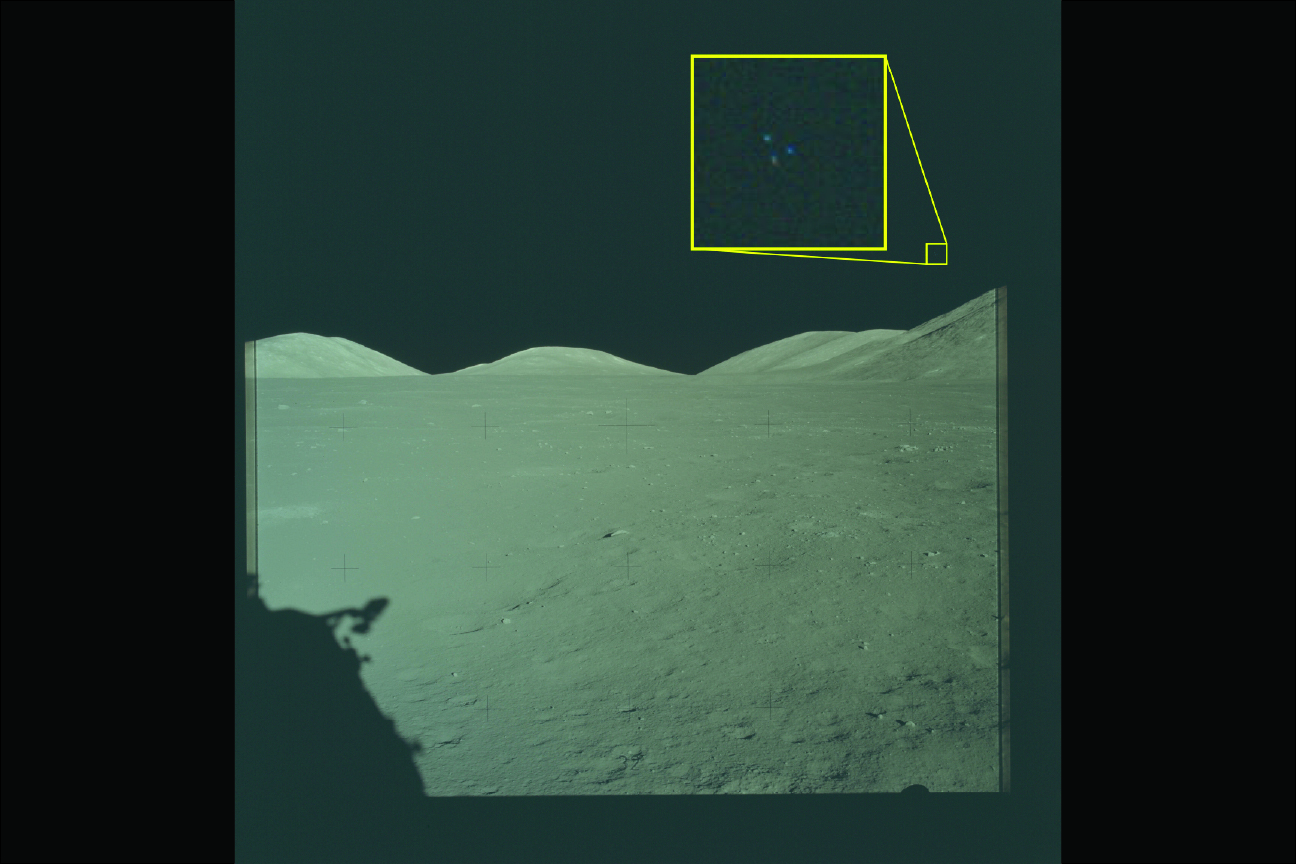
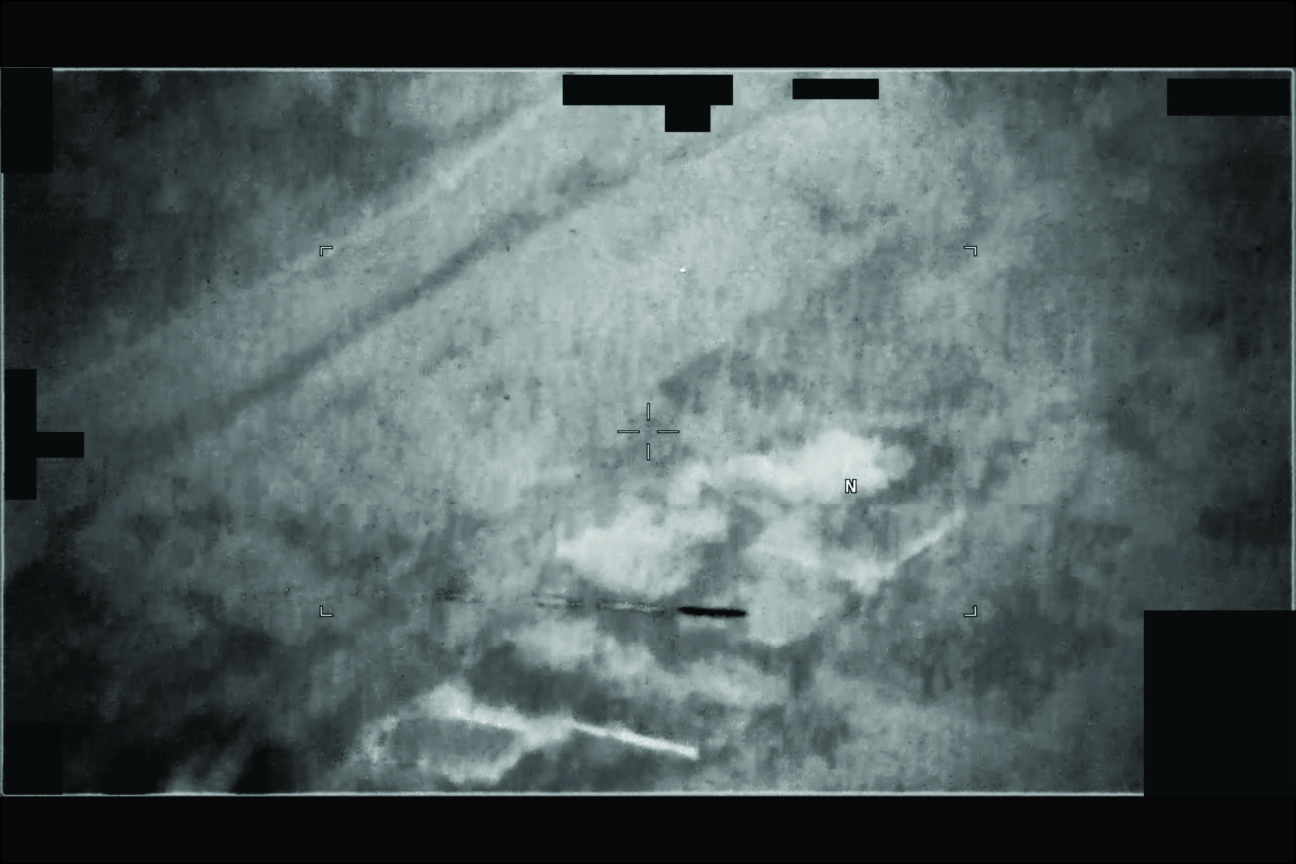
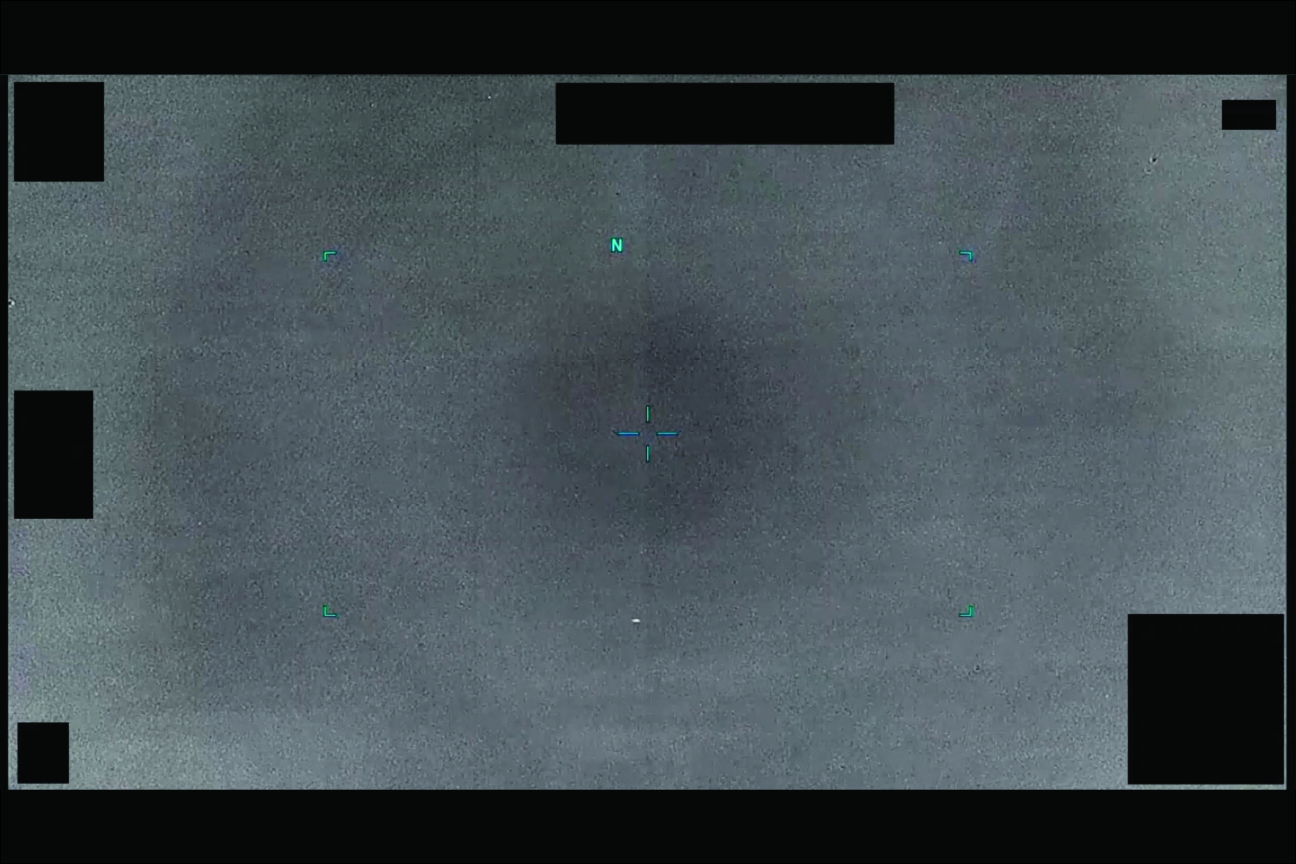
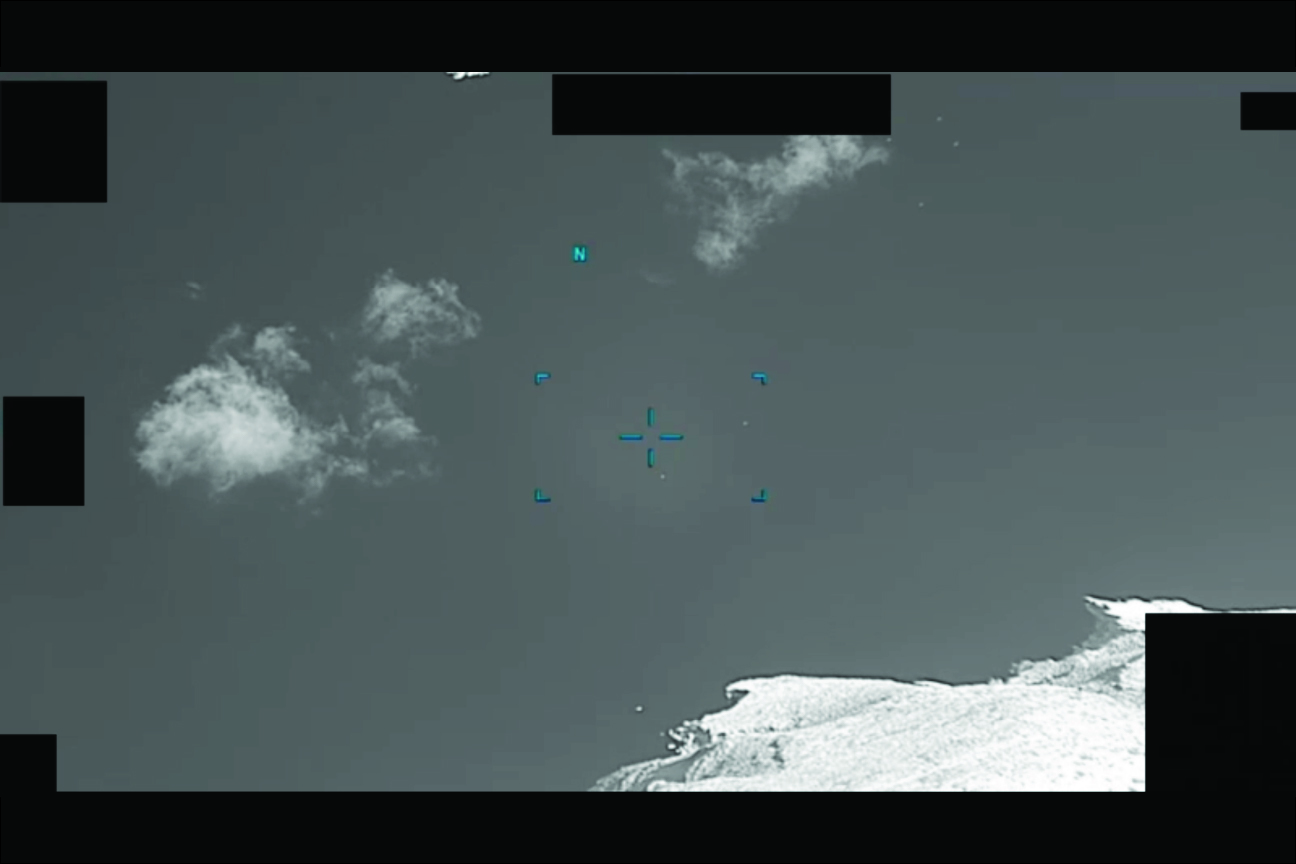
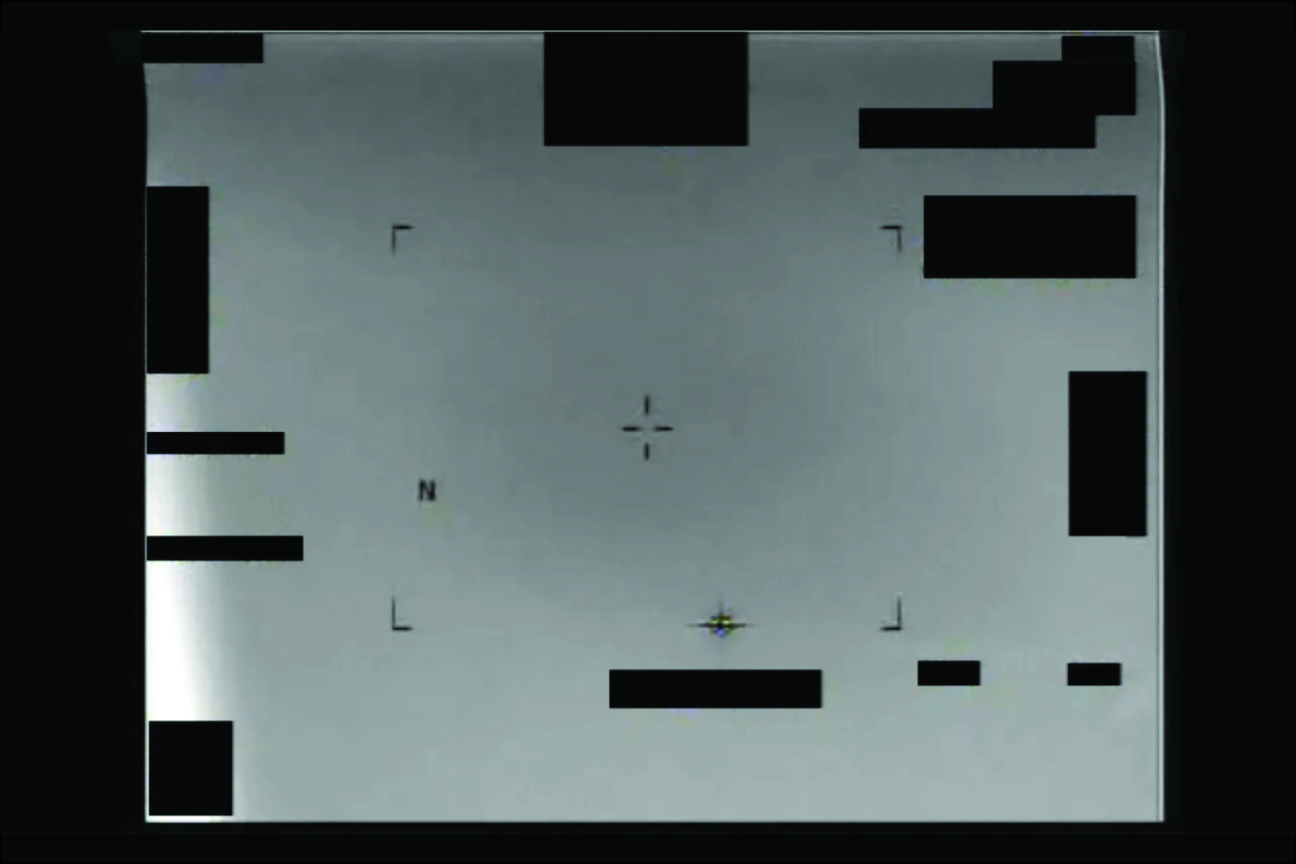
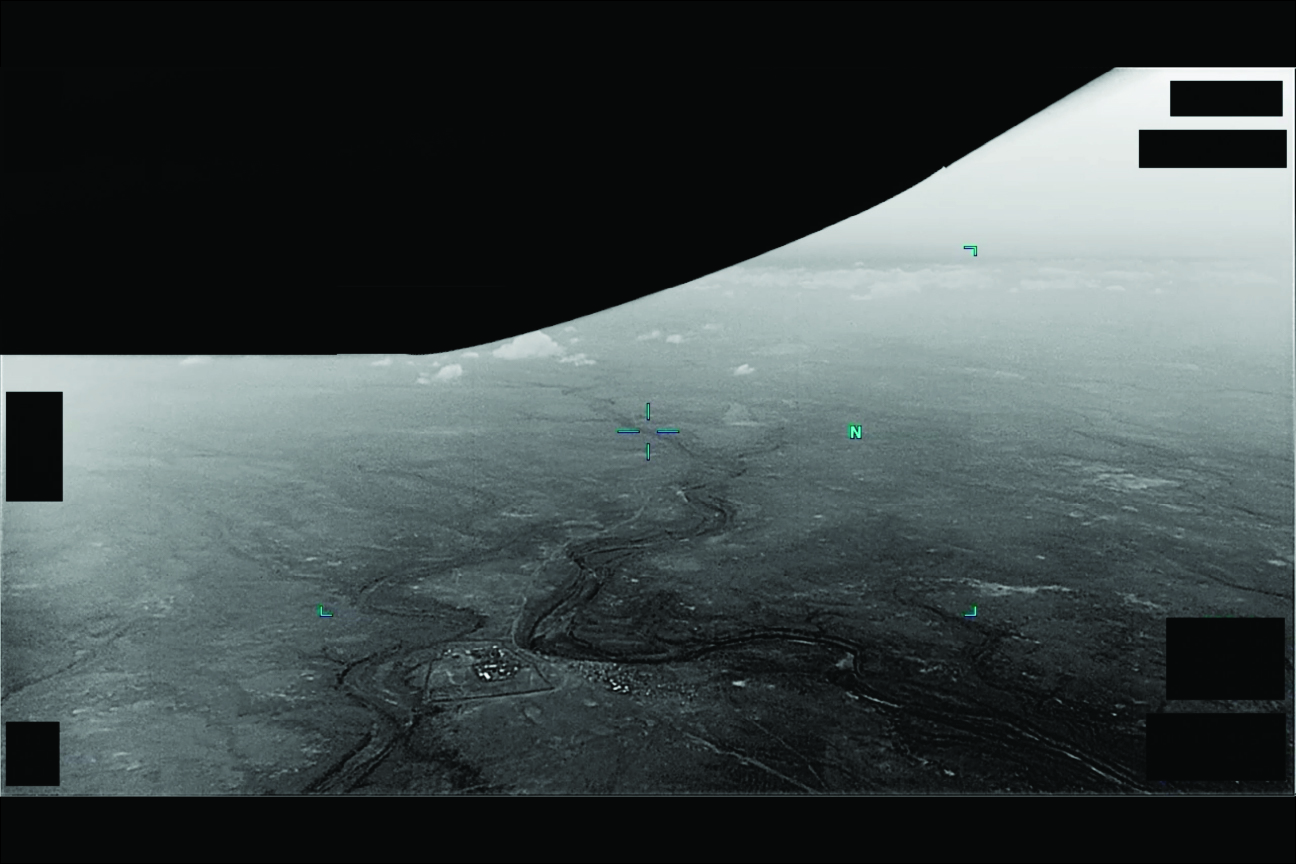
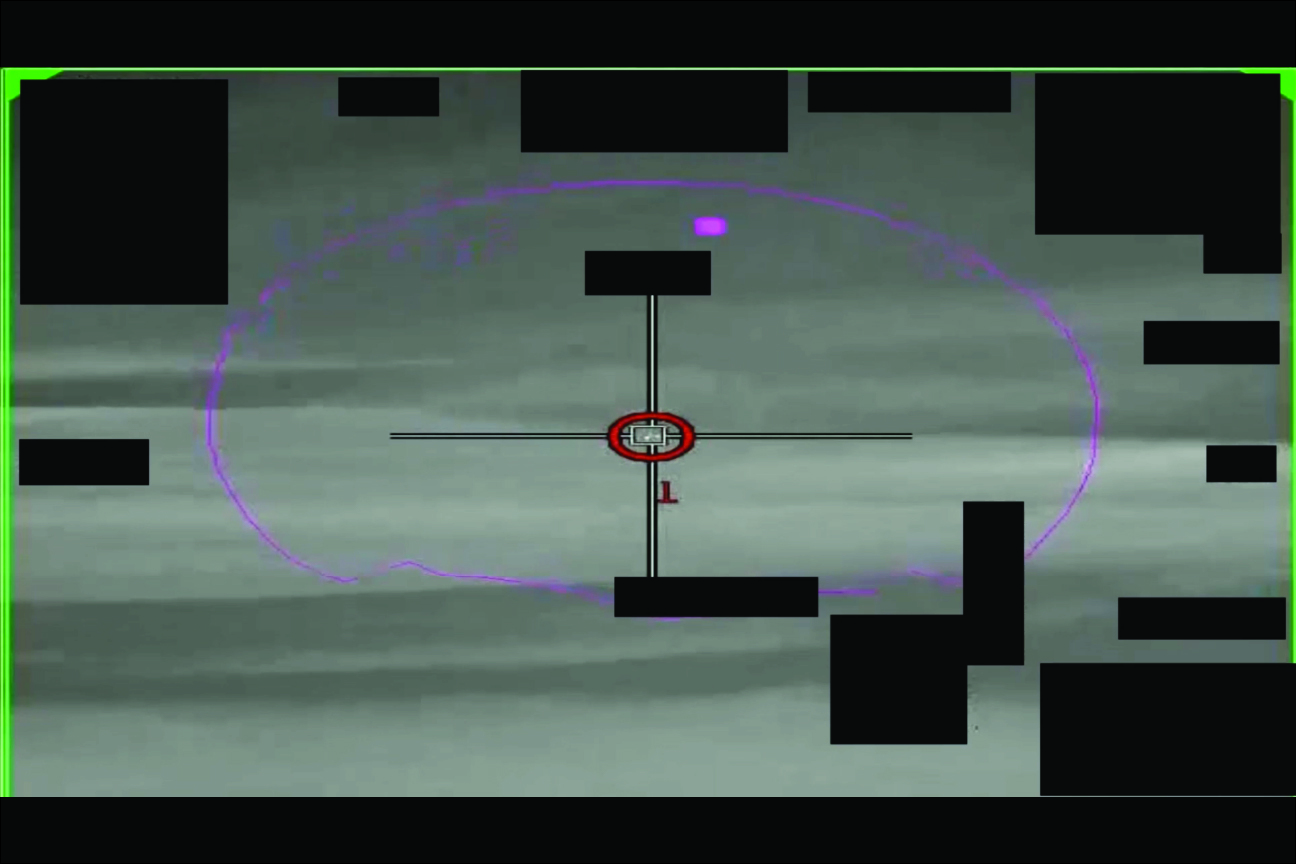
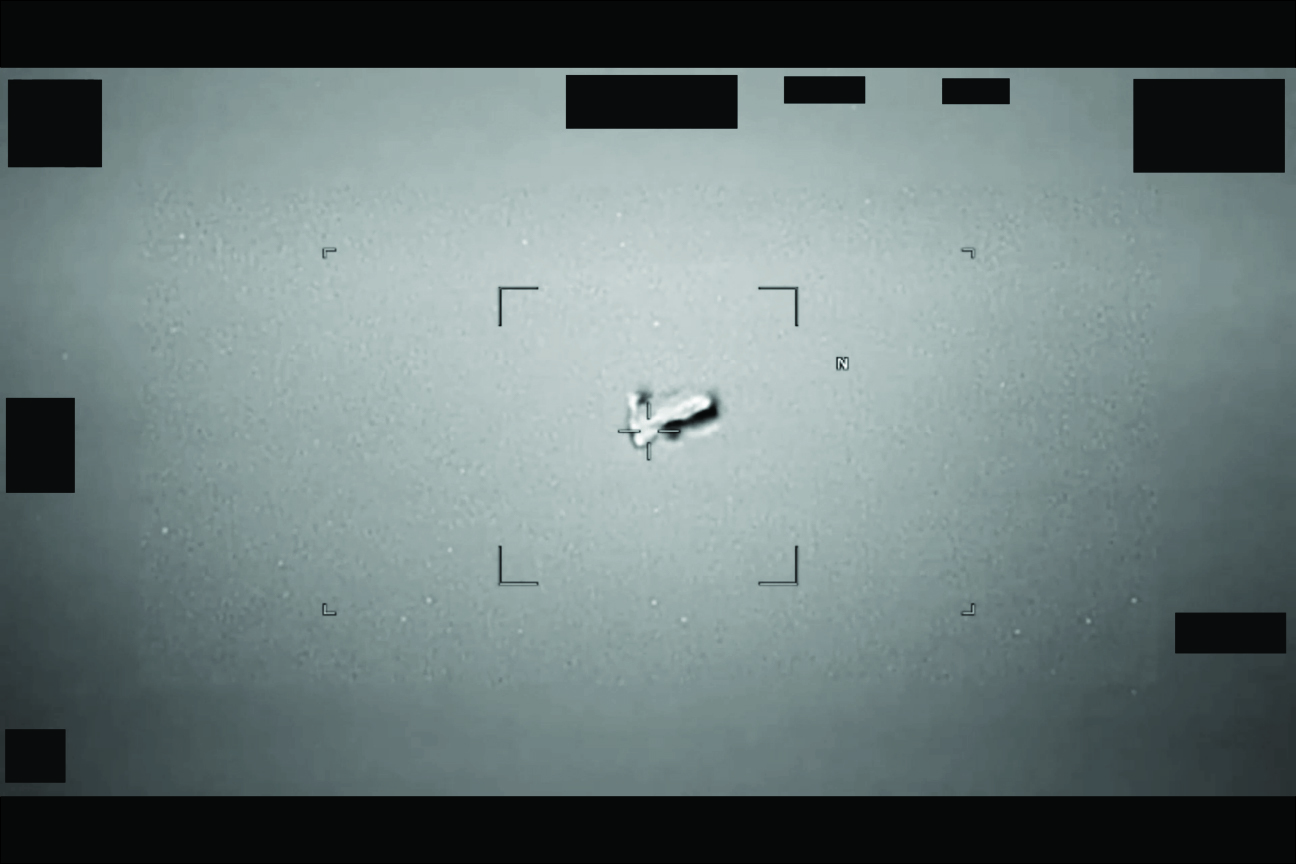
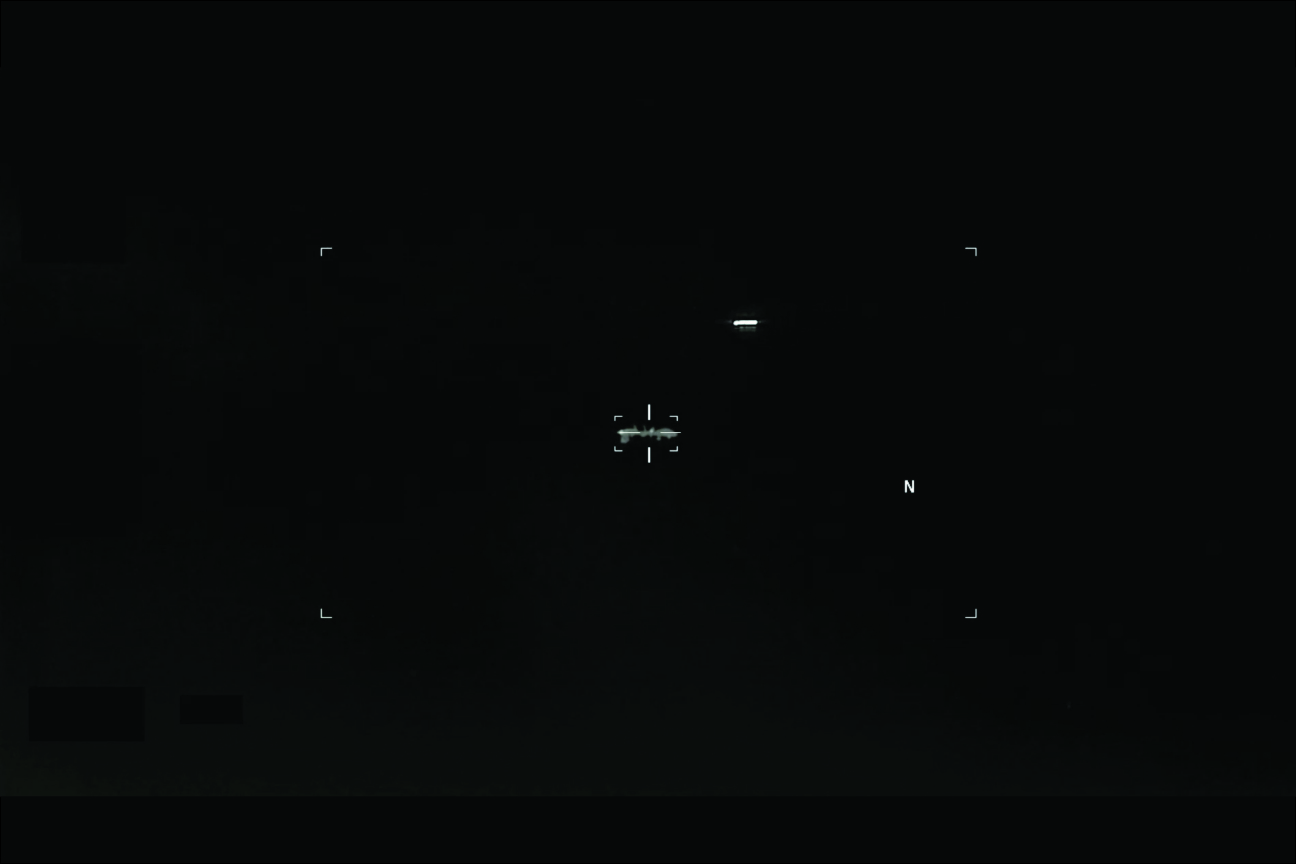
The imagery was striking. A slideshow of seventeen images populated the page — a mix of infrared captures, military sensor stills, a composite sketch, and an archival Apollo 17 photograph, labeled with coordinates, incident dates, and locations spanning from western United States to Greece, the Middle East, Africa, Japan, and the Moon. FBI-sourced infrared images. Military sensor footage. An archival photograph from the Apollo 17 mission to the lunar surface in 1972, a yellow box highlighting three anomalous lights above the terrain.5
The document table showed 162 files at launch. The press release called them “new, never-before-seen” and stated that “many of the materials have not yet been analyzed for resolution of any anomalies.” By May 13, 2026, the count had been reduced to 158 — four files quietly removed from the public release without announcement or explanation; the page still bore the original “Cleared for Release - May 8, 2026” stamp.6
II. What Was Actually Released
The word “new” carries legal weight in a government disclosure context. It is not decorative. When an administration announces the release of “new, never-before-seen” files, it is making a verifiable claim — one that can be checked against the public record, cross-referenced against existing archives, and measured against what was already available to anyone or any system capable of querying a database before May 8, 2026. This section does exactly that.
But before the novelty question, there is a more fundamental one. What was actually declassified here?
Declassification is not a political act. It is a legal one. It requires a formal determination that releasing a document poses no unacceptable risk to national security, intelligence sources, military operations, or the safety of individuals. That determination requires analysis. The classification system has no provision for releasing material first and understanding it later. The two are not sequential. They are the same act.
The PURSUE press release draws a careful distinction that is worth reading slowly: “While all of the files have been reviewed for security purposes, many of the materials have not yet been analyzed for resolution of any anomalies.”3 The first clause is the security review claim — a determination that releasing these files will not expose classified sources, methods, personnel, or operational details that could harm national security. The second clause is something else entirely. It is an admission that nobody in the United States government can tell the American public what any of these phenomena actually are.
Those are two entirely different questions. The security review answers only one of them. It does not ask what the object is. It does not ask whether the phenomenon is real. It asks only whether releasing the file is safe. Beyond that, the analytical burden — the actual work of determining what any of this means — has been transferred in full to the public, to private researchers, to journalists, without any of the classified sensor specifications, operational context, or investigative conclusions that would make that analysis meaningful.
The administration took full credit for opening the box — the contents of which had been sitting there for decades, already sifted through by history, with a handful of exceptions.
That is the first problem with PURSUE Release 01. The second is the word “new.”
The Novelty Audit
Of the 162 files released on May 8, 2026, the public record allows a reasonable assessment of what was genuinely new and what was not. The picture that emerges is not flattering to the “never-before-seen” claim.
The genuinely new material falls into three categories:
Modern military mission reports — MISREPs and Range Fouler forms from CENTCOM and INDOPACOM operations in Iraq, Syria, the Persian Gulf, the Strait of Hormuz, the Aegean, and the Gulf of Aden, covering 2020 to 2026. These were declassified specifically for this release and do not exist in any prior public archive.7
State Department diplomatic cables — Spanning 1985 to 2025 and covering UAP incidents reported by U.S. embassy personnel in Papua New Guinea, Kazakhstan, Turkmenistan, Georgia, Mexico, and Tajikistan. No prior public release has been identified.8
The September 2023 FBI multi-witness sighting — Three witnesses working on a LiDAR technology project at a restricted U.S. testing facility reported a cigar-shaped metallic object estimated at 130 to 195 feet in length. The FBI commissioned a laboratory composite sketch. No prior public release of this case has been identified.9
The remainder of the release tells a different story.
The FBI’s case file 62-HQ-83894 — a large compilation of eyewitness testimonies and public reports on flying discs between 1947 and 1968 — has been available on the FBI Vault since 2011. The May 8 version carries fewer redactions and several newly declassified pages, but the file itself is not new.10 The Roswell Dallas field office memo, describing a recovered “flying disc” suspended from a balloon, has been public since the 1970s.11 The Apollo 17 photograph showing three dots in a triangular formation above the lunar surface was, by the government’s own admission in its own caption, “previously released and discussed by keen observers.”12 The Gemini 7 and Apollo mission audio had circulated publicly for years before the formal transcripts were released.13 KONA BLUE — the unapproved DHS special access program proposal presented as a significant historical release — was declassified and published by AARO and DHS in early 2024, over two years before PURSUE launched.14 The Oak Ridge National Laboratory analysis of the aluminum specimen, concluding it was a conventional alloy of entirely terrestrial origin, was posted by AARO in January 2026, four months before May 8.15
The Associated Press stated the situation plainly: the Pentagon described the files as new and “never-before-seen,” though some had been made public years ago.16
One item warrants specific mention. The INDOPACOM image of what the government formally described as a “UAP that resembles a football-shaped body near Japan” was presented without analysis and logged as unresolved. On the day of release, technical analysts identified it as a known optical artifact — a lens flare produced when a bright object is directly in frame of an inverted FLIR camera feed, with the video feed flipped so the bright source appears as a dark football-shaped silhouette.17 The government released an image it had not analyzed, described it as unresolved, and invited the public to draw its own conclusions. The public drew one within hours.
Sean Kirkpatrick, the former director of AARO, offered the most precise assessment of the release as a whole: “There’s nothing unexpected in the release, and without any analysis or context, will only serve to fuel more speculation, conspiracy and arm-chair pseudoscience.”18
The Conduct of the Release
When the government releases 162 files to an anticipating world and walks away without comment, explanation, or analysis, the silence is not neutral. It is a decision.
The War Zone confirmed on the day of release that the Department of War had no press engagement planned. Asked directly for comment and context, a War Department official responded: “No media engagement is planned at this time. We are not providing any comment or assessment on the files overall or on any specific file, so that the American people can make up their own minds.”19
The release also settled a question the Pentagon had been avoiding for years. Prior to May 8, 2026, repeated congressional and journalistic requests for UAP sensor footage had been resisted on the grounds that the technology used to capture it was too sensitive to expose publicly — a sources and methods argument. PURSUE demolished that argument in a single afternoon. The government redacted and downgraded sensitive UAP imagery and released it within days of a presidential directive. The War Zone, which had documented this contradiction for years, noted the implication directly: the release proved that declassifying and redacting sensitive UAP imagery is entirely possible.19
The most straightforward explanation for why these files were released is also the least dramatic one. They passed the security review because they pose no risk. They are unresolved not because they contain something extraordinary but because the paperwork was never formally closed. The phenomena they describe are, in all likelihood, as mundane as the balloons, birds and misidentified aircraft that populate the rest of the AARO case library — unresolved administratively, not scientifically.
The years of resistance now look less like a security constraint and more like an institutional choice. That distinction matters — not because it changes what was released on May 8, 2026, but because it changes what the public is entitled to ask. If the barrier to releasing this material was always procedural rather than one of genuine substance, then the decades of resistance were not a function of necessity. They were a function of preference. The question is whose preference?
Transparency is defined not by what is shown but by what is withheld. The files on war.gov/UFO tell us what the government chose to release. The deeper question has always been what it chose not to.
III. The Legal Infrastructure That Actually Exists
This assessment should not be confused with a dismissal of the broader legislative architecture. That architecture is real, consequential, and worth understanding in detail — precisely because it represents the only structural mechanism with any genuine potential for future disclosure.
Sections 1841 through 1843 of the National Defense Authorization Act for Fiscal Year 2024 — Public Law 118-31, signed by President Biden on December 22, 2023 — established the Unidentified Anomalous Phenomena Records Collection at the National Archives and Records Administration, designated Record Group 615.20,21
The law’s core provisions are as follows:
The destruction prohibition is unusually strict. The statute imposes unusually strong prohibitions on the destruction, alteration, or mutilation of any UAP record. No record previously made public may be reclassified or withheld. While subsequent legislation or national security authorities could affect practical implementation, the statutory language is among the most restrictive in federal records law.22
The 25-year disclosure rule carries genuine teeth. Every UAP record must be publicly disclosed in full no later than 25 years after the date of its first creation — unless the President of the United States personally certifies, in writing, that continued postponement is necessitated by an identifiable harm to military defense, intelligence operations, law enforcement, or the conduct of foreign relations, and that the harm is of such gravity that it outweighs the public interest. That certification must be published. It requires personal presidential accountability, not bureaucratic process.23
Congressional oversight is embedded across six committees. The Senate Committee on Homeland Security and Governmental Affairs, the Senate Committee on Armed Services, the Senate Select Committee on Intelligence, the House Committee on Oversight and Accountability, the House Committee on Armed Services, and the House Permanent Select Committee on Intelligence all hold continuing legislative oversight jurisdiction over the collection. This is not presidential infrastructure. It cannot be dismantled by executive order.24
Postponement triggers mandatory congressional notification. Any executive agency decision to postpone the public disclosure of a UAP record requires notification to congressional leadership and all six oversight committees within 15 days, with stated reasons.25
This is a congressional mandate. It was not created by President Trump. It was not created by any executive branch initiative. It predates PURSUE by over two years. PURSUE is, in the most precise reading, an executive branch public relations operation layered on top of a congressional legal obligation that already existed.
IV. What Was Stripped, By Whom, and Why It Matters
Here is where the story becomes something more than a UAP disclosure narrative.
The law that exists today is not the law that was proposed.
On July 13, 2023, Senate Majority Leader Chuck Schumer, joined by Senator Mike Rounds, Senator Marco Rubio, Senator Kirsten Gillibrand, Senator Todd Young, and Senator Martin Heinrich — a bipartisan coalition spanning the ideological spectrum — introduced Senate Amendment 797 to the NDAA as the Unidentified Anomalous Phenomena Disclosure Act of 2023.26,27
The Senate passed its version of the NDAA on July 27, 2023, by a vote of 86 to 11. The UAP Disclosure Act was part of that version.28
The original legislation contained two provisions that do not exist in the law that was ultimately signed:
An Independent Review Board — modeled explicitly on the Assassination Records Review Board established under the JFK Assassination Records Collection Act of 1992. The board would have been composed of nine impartial private citizens, none currently employed by any government agency, none with prior involvement in any UAP program. Presidentially nominated, Senate-confirmed. The board would have had legal authority to direct government agencies to disclose UAP records, to override agency classification decisions, and to operate entirely outside the control of the intelligence community and the Department of Defense. UAP records would have carried a presumption of immediate disclosure — classification would require affirmative justification, not the reverse.29
An Eminent Domain Provision over recovered materials — The federal government would have had the authority to exercise the Eminent Domain Provision over any recovered technologies of unknown origin and biological evidence of non-human intelligence controlled by private persons or entities. In plain language: if any private defense contractor had, under decades of classified contracts, taken possession of material that could not be attributed to known human technology, the government could legally reclaim it. No negotiation. No contractor veto.30
These two provisions did not survive the conference process.
The conference committee — the formal closed-room negotiation between House and Senate representatives that reconciles the two chambers’ versions of a bill — stripped both. No separate floor vote was held on the UAP provisions specifically. No public debate on the removal was recorded. The senators who voted 86 to 11 had no opportunity to vote on their removal.
The official record of that decision is H.Rept. 118-301, page 1330 — the conference report filed December 6, 2023, available in full at the U.S. Government Publishing Office. It states:
“The agreement does not include the provisions that would establish an independent Review Board, a Review Board staff, eminent domain authority, or a controlled disclosure process.”
That is the complete official explanation. One sentence. No recorded argument. No named decision-maker.
The same page of the official record contains one further UAP-related statement. The conferees note that “lack of sufficient reciprocal access between Department of Defense and intelligence community personnel has led to operational inefficiencies and unnecessary risk of disclosures of protected information,” and direct senior officials to brief congressional leadership on options to improve that coordination.
The provisions removed were designed to empower civilian oversight and compel private accountability. The measure recorded in their place was designed to strengthen the security of protected information within government. The direction of travel is documented in the official record.54
Representative Mike Turner of Ohio, then Chairman of the House Permanent Select Committee on Intelligence, has been identified by multiple independent sources as the primary driver of the removal.31 Representative Mike Rogers of Alabama, then Chairman of the House Armed Services Committee, signed off on the conference outcome as co-lead of the House NDAA process.32
Senator Rounds, who co-sponsored the original legislation, said on the Senate floor that the result left UAP-related information “hidden from Congress and the American people”33 and that Congress was “not fulfilling our responsibilities.”33 He said this about legislation he had just helped pass.
Senator Schumer called the lack of cooperation “beyond disappointing”34 while promising to reintroduce the stripped provisions in future legislation. He and Rounds attempted exactly this with the UAP Disclosure Act of 2024. It was tabled without a vote.35
V. The Architecture of the Blockage
The question that demands an answer is not procedural. It is structural: how does a democratic supermajority of 86 to 11 get overridden by a closed conference process, and why does the system accept this as normal?
The conference committee is a constitutional mechanism, not an anomaly. But it functions, in practice, as one of the most effective tools available for the conversion of majority democratic will into minority institutional preference — precisely because it operates without transcript, without public argument, and without requiring those who wielded it to justify their decisions to the legislators whose votes they overrode.
Representative Mike Turner’s position placed him at the intersection of the most sensitive classified information in the United States government and the most significant defense industry relationships in his district and beyond.36
The defense industrial base is not an abstraction. Lockheed Martin, Raytheon, Northrop Grumman, and Boeing have physical facilities in dozens of congressional districts. They employ, directly or indirectly, hundreds of thousands of people. Their government contracts run into the hundreds of billions of dollars annually. Their former executives rotate into senior Pentagon positions. Their former government officials rotate onto their boards. This is not corruption in the transactional sense. It is architecture — the deliberate structural integration of private capital and public power that Dwight Eisenhower identified and named the military-industrial complex in his farewell address of January 17, 1961.37
In Turner’s case the connection is direct and documented. His district is home to Wright-Patterson Air Force Base and the National Air and Space Intelligence Center — the Defense Department’s lead foreign air and space threat analysis center, mandated by law to investigate UAPs.38 His top career donors include Lockheed Martin, Raytheon Technologies, General Dynamics and L3Harris — all contractors holding major contracts at Wright-Patterson.39 L3Harris alone holds an $80.8 million contract at the Air Force Research Laboratory on the base.40 Any disclosure program touching classified sensor technology or space intelligence would directly implicate NASIC and therefore directly implicate the economic base of Turner’s district and the financial base of his campaigns.
The institutional opposition to the UAPDA did not originate solely with committee leadership. In November 2023, during the final stage of conference negotiations, the Office of the Under Secretary of Defense for Intelligence and Security — the Pentagon’s top intelligence office, to which AARO is administratively attached — submitted a 33-page line-by-line rewrite of the Senate-passed bill to conference negotiators.55 The Department’s position, stated explicitly: “The Department strongly urges consideration of the following revisions.” AARO’s director at the time, Dr. Sean Kirkpatrick, later confirmed on record in a July 2024 interview: “We convinced Congress last year not to go down that road.”56
[Editorial note: AARO held no seat at the conference table. Their instrument was the document.]
Constitutional attorney Daniel Sheehan, serving as outside counsel to UAPDA advocates during the conference negotiations, told The Debrief that Turner’s position as communicated through the process was unambiguous: “Mike Turner first attacked those two elements. [He said] we want the eminent domain provision out of here, and we want the subpoena power out of here.”
[Editorial note: The subpoena power was not a standalone provision — it was the enforcement mechanism housed inside the Independent Review Board.26]
When challenged on why eminent domain was a concern if no contractor held any recovered technology — as Turner publicly maintained — the response, Sheehan said, retreated to an abstract libertarian argument against government seizure of private property. Sheehan also noted that virtually all other members of the House Permanent Select Committee on Intelligence supported the bill. The opposition was the chairman’s position — not the committee’s.31 Turner’s position in the negotiations — eminent domain out, subpoena power out — mirrored the Pentagon document precisely.
The pattern did not end in 2023. Representative Mike Rogers of Alabama, then Chairman of the House Armed Services Committee, signed off on the conference outcome as co-lead of the House NDAA process.32 His public characterization: the stripped provisions were “duplicative” — the precise word used by the Pentagon’s AARO in its 33-page proposed rewrite submitted to conference negotiators the previous month.41 Two years later, Rogers served as House NDAA lead on the FY2026 National Defense Authorization Act — Public Law 119-60, signed December 18, 2025.42 That legislation repealed 50 U.S.C. § 3373a,43 the statutory mandate requiring the entire intelligence community and Department of Defense to share UAP data immediately with the National Air and Space Intelligence Center, independent of the executive chain of command.38 His public characterization of the repeal: it eliminated “duplicative” requirements.44 The same word. The same result. When asked in September 2025 whether Turner had blocked UAP legislation in the past, Rogers told a reporter: “I don’t even remember us talking about it in the past.”45
The practical effect of the § 3373a repeal is precise: all UAP data now flows exclusively to AARO — an office whose director is appointed by the Secretary of Defense and whose deputy is appointed by the Director of National Intelligence. Both are presidential appointees.46 The independent data-sharing pathway that bypassed the executive chain of command no longer exists in statute.43
The Eminent Domain Provision threatened the architecture directly. If the federal government could legally reclaim any material held by private contractors that qualified as technology of unknown origin, then decades of classified programs — whatever their content — became vulnerable to a legal mechanism no contractor could negotiate around. The financial and institutional exposure was incalculable.29
The Independent Review Board threatened something equally fundamental: the intelligence community’s monopoly on defining what constitutes a national security risk sufficient to justify continued classification. A board of impartial private citizens, operating outside the clearance system, with legal authority to override agency classification decisions, would have broken the epistemic closure that has protected institutional secrecy for seventy years. Agencies that classify information are not currently required to justify that classification to anyone who might disagree with their assessment. The Independent Review Board would have created exactly that external check.30
The Unidentified Anomalous Phenomena Disclosure Act of 2023 — Senate Amendment 797 — passed the United States Senate 86 to 11. A bipartisan supermajority had spoken. Then a closed conference process removed its most consequential provisions without a separate vote, without public debate, and without recorded justification. The senators who voted for it were not asked to vote again. The outcome belonged to the eleven who voted against it.28,33,34
The overlap between committee leadership, documented defense sector financial influence, and the removal of these specific provisions raises legitimate questions about institutional incentives that independent journalism is both entitled and obligated to pursue. No public document establishes direct causation. What the public record does establish is structural: the individuals who removed these provisions occupied positions financially and institutionally connected to the entities most threatened by them.
This is not a UAP story. It is a story about what happens to democratic mandates when they threaten entrenched financial and institutional interests with the power to act in the dark.
VI. The Epistemological Problem
A fair analysis must acknowledge what is not known.
It is not established that the United States government possesses material evidence of non-human intelligence or technology. AARO’s Historical Record Report Volume I, covering 1945 through October 2023, stated explicitly that no empirical evidence of non-human technology in U.S. government programs had been verified.47 David Grusch’s 2023 congressional testimony alleged the existence of crash retrieval programs — allegations that remain unverified by any independent evidence in the public record.48
The possibility that the entire secrecy architecture protects nothing more anomalous than classified human technology — foreign adversary drones, classified domestic programs, sensor limitations — cannot be dismissed.
But this possibility does not resolve the democratic problem. A system that prevents the elected representatives of the American people from knowing what their government has collected, built, retrieved, or contracted for — regardless of the content — is a system that has broken the accountability chain that defines representative democracy. The argument that secrecy is justified by national security is permanently circular when the only people authorized to evaluate that justification are the people whose institutional interests are served by maintaining it.
The Eminent Domain Provision and the Independent Review Board were not radical. They were modeled on mechanisms the United States already used — successfully — to handle the Kennedy assassination records. A Review Board of private citizens reviewed, unsealed, and released decades of classified intelligence records related to the JFK assassination without producing a single verified national security catastrophe.49
The same mechanism was deemed unacceptable for UAP records. The question of why — and by whose specific institutional interests — is one that independent journalism is both entitled and obligated to pursue.
VII. Follow The Trail
For journalists and researchers who wish to pursue the structural analysis documented here, the evidentiary trail is entirely public.
Campaign contributions: OpenSecrets.org documents every campaign contribution to every federal official. Turner and Rogers’ receipts from defense industry PACs and executives are in the public record. Cross-reference with their committee assignments and their conference committee decisions.58
The revolving door: Personnel movements between the Pentagon and the defense industry are partially documented across several public databases — USASpending.gov for contract awards, OpenSecrets.org for campaign contributions, and SAM.gov for contractor registrations. No single publicly accessible database currently tracks the full picture. The Project On Government Oversight maintained a dedicated Pentagon Revolving Door Database until 2023; the underlying data remains available on request to [email protected].58
The legislative record: Every amendment, every vote, every conference report is available at congress.gov. The 86-to-11 Senate vote is there. The final conference text stripping the Independent Review Board and the Eminent Domain Provision is there — documented in full in H.Rept. 118-301, filed December 6, 2023.54 What is not there — by design — are the arguments made in the conference room. That absence is itself data.50
The AARO documents: Every case resolution report, every information paper, every declassified analysis is available at aaro.mil. The ORNL material analyses, the KONA BLUE history, the Starlink interference paper explaining civilian sightings. The government’s own scientific work, conducted rigorously, produces no anomalous findings in the publicly available record.51
The NARA collection: Record Group 615 at the National Archives is being populated on a rolling basis. Its contents, as they accumulate, are the closest thing to a ground truth that the current legal framework can produce.52
VIII. The Architecture of the Replacement
The conference report did not create a vacuum. When it removed the Independent Review Board and the Eminent Domain Provision, it left in place — and in one respect strengthened — an alternative structure. Understanding that structure is the final piece of the documented record.
The All-domain Anomaly Resolution Office was created by statute in 2022. Under the framework that survived the conference, AARO became the authorised destination for all UAP data, all UAP reporting, and all UAP material across the United States government. The Independent Review Board would have operated entirely outside the executive chain of command. AARO operates entirely within it.
AARO’s director reports to the Deputy Secretary of Defense. The Deputy Secretary of Defense reports to the Secretary of Defense. The Secretary of Defense is a presidential appointee, serving at the pleasure of the President.
The 2025 repeal of 50 U.S.C. § 3373a — the statutory mandate requiring the intelligence community and the Department of Defense to share UAP data independently with the National Air and Space Intelligence Center, bypassing the executive chain of command — closed the last documented structural bypass. NASIC was not AARO. It was a separate Air Force intelligence analytical body at Wright-Patterson Air Force Base, receiving UAP data through a channel that ran independently of the Secretary of Defense. Its repeal eliminated the only publicly documented statutory requirement for UAP data to reach an analytical body outside the executive chain without passing through it first. Whether UAP data continues to reach NASIC through other means is not established in the public record. What the repeal eliminated was the legal obligation — and with it the only enforceable independent pathway.43
AARO’s current director stated on record in 2025, when asked what would happen if his office confirmed something significant: “we would take that up through the Secretary of Defense and allow him to make that decision.”57
That is the chain of command stated plainly by the man who sits at the top of it.
The Independent Review Board had a further structural protection built into the Senate legislation that proposed it. Upon termination — set no later than September 30, 2030 — the Review Board was required to transfer all of its records to the Archivist for inclusion in the NARA Collection, and no record of the Review Board could be destroyed.26 The board had a statutory end date, a mandatory wind-down, and a legally obligated records transfer to an independent archive.
AARO has none of these. The enacted law contains no termination date for AARO, no mandatory records transfer obligation upon termination, and no wind-down provision. The general destruction prohibition on UAP records in Section 1842(a)(2)(A) of Public Law 118-31 applies to government offices broadly — but AARO itself faces no statutory clock, no obligated handover, and no independently enforced endpoint.22
On February 19, 2026, the President ordered the release of all government files related to unidentified anomalous phenomena — the directive that launched PURSUE.4 That directive has no independent legal enforcement mechanism outside the chain of command through which it operates. Its execution depends entirely on the institutions it instructs — the same institutions that now hold the sole pathway to whatever the government knows.
The civilian oversight the Senate voted for would have answered to no administration. The structure that replaced it answers to whoever holds the office of Secretary of Defense — and in the end, to whoever sits in the Oval Office.
IX. Conclusion
On May 8, 2026, the White House stage-managed what it clearly intended the world to receive as the grand unveiling — the long-sealed vault of government secrets finally thrown open, decades of hidden truth delivered to the American people by the most transparent administration in history. Infrared photographs. Military sensor footage. An Apollo mission photograph with a yellow box drawn around three lights above the lunar surface. This was the curtain pull. The historic reveal. The moment the showman delivers on the promise.
The curtain rose. And there it was — the old basement office, dusty and gloomy, the filing cabinets still where they always were. Beside the faded “I Want to Believe” poster, someone had put up a few new pictures on the wall. The 162 files were spread across the floor — most of them already seen, already known, already filed away in the public record years before. A handful sat on the desk under the dim light, genuinely new, but without a note attached, without a word of context, without anyone in the building prepared to explain what they meant or what they were. No analysis. No conclusions. No one to ask. The American people were handed the files and shown the door. Classic wild goose chase. Old stage. Same files. New Director.53
That is the surface story. The deeper one has nothing to do with what was or wasn’t in those 162 files.
In July 2023, the United States Senate voted 86 to 11 to pass legislation that would have created an Independent Review Board — nine private citizens with legal authority to override agency classification decisions — and granted the federal government an Eminent Domain Provision over any recovered materials of unknown origin held by private contractors. A bipartisan supermajority had spoken. Then a closed conference process removed both provisions without a separate vote, without public debate, and without recorded justification. The official record of that decision — H.Rept. 118-301, page 1330 — lists what was taken. It gives no reason. It offers no name. It records the outcome and moves on.28,33,34,54
The legal infrastructure that remains — the 25-year disclosure clock, the six-committee oversight mandate, the destruction prohibition — is real and consequential. It was created by Congress, not by any executive initiative, and it cannot be dismantled by executive order.23,24 But the two provisions that would have made it impossible to obstruct are gone. In their place stands a chain of command that ends at the Oval Office — with a single Director controlling what appears on the stage, what stays in the wings, and what never leaves the building.
The entities that removed the oversight are still operating. They are still funded. They still rotate between government and industry. They are still in the conference rooms.
The question of whether the government holds evidence of something genuinely extraordinary may never be resolvable from the public record. But the question of who dismantled the mechanism that could have answered it — and what they stood to lose if it had worked — is entirely within reach.
What the conference room removed was an Independent Review Board that no agency could control and an Eminent Domain Provision that no contractor could negotiate around. What the conference room added was not merely silence — it handed the keys to the entire production to a single office. The Director now decides what the audience sees. The Director raised the curtain on May 8, 2026. The audience had been promised the show of the century.
If that basement office is the stage and if those dusty files and recycled images are the performance the Director is giving the audience of the world, then the only question left to ask is:
What is he hiding?
Do you still Believe?
All claims in this essay are sourced to primary documents: Public Law 118-31 (NDAA 2024), H.Rept. 118-301 (FY2024 NDAA Conference Report), the Pentagon OUSD(I&S) 33-page proposed rewrite of Senate Amendment 797, the National Archives NARA legal code at archives.gov, AARO case resolution reports at aaro.mil, the war.gov/UFO PURSUE page and its press release, congressional records at congress.gov, ORNL and KONA BLUE declassified PDFs, Senate Democratic Leadership press releases, and on-record journalism from The War Zone, The Washington Examiner, The Debrief, DefenseScoop, Liberation Times, and the Associated Press. No claims rely solely on anonymous sourcing or single-outlet reporting. The legislative vote tallies, sponsorship records, and legal text are verifiable by any reader with internet access.
Footnotes
Executive Order 14347, September 5, 2025 — official renaming of Department of Defense to Department of War: https://www.whitehouse.gov/presidential-actions/2025/09/restoring-the-united-states-department-of-war/ ↩
PURSUE program page: https://www.war.gov/UFO ↩
Hegseth, Gabbard, Patel, Isaacman statements confirmed via same press release: https://www.war.gov/News/Releases/Release/Article/4480582/ ↩↩
Trump Truth Social directive February 19, 2026 — via official press release: https://www.war.gov/News/Releases/Release/Article/4480582/ ↩↩
All 17 image URLs confirmed from page HTML, May 9, 2026:
Base URL: https://www.war.gov/portals/1/Interactive/2026/UFO/Slideshow/
File count at launch (162): Confirmed by multiple news outlets reporting on May 8, 2026 (NBC News, CBS News, WION News, Wikipedia), and by Internet Archive Wayback Machine captures of war.gov/UFO showing “162 FILES” in the document table from the earliest May 8 capture (08:07 EDT): https://web.archive.org/web/20260508120705/https://www.war.gov/UFO/ — File count on May 13 (158): Direct screenshot of war.gov/UFO on May 13, 2026, showing the document table reduced to 158 files while still bearing the original “Cleared for Release - May 8, 2026” stamp. https://web.archive.org/web/20260513162947/https://www.war.gov/UFO/ Four files removed without announcement between May 8 and May 13. Press release verbatim (”new, never-before-seen” and “many of the materials have not yet been analyzed for resolution of any anomalies”): Department of War press release, May 8, 2026: https://www.war.gov/News/Releases/Release/Article/4480582/ ↩
Modern military MISREPs confirmed as genuinely new — The Lexington Times, May 8, 2026: https://lexingtonky.news/2026/05/08/off-beat-federal-agents-an-eye-of-sauron-and-whats-really-in-the-pentagons-first-uap-drop/ ↩
State Department diplomatic cables — CBS News, May 8, 2026: https://www.cbsnews.com/news/pentagon-begins-release-ufo-files/ — No prior public release identified. ↩
September 2023 FBI multi-witness LiDAR sighting — Fox News, ZeroHedge, NPR, May 8, 2026. No prior public release identified. ↩
FBI case file 62-HQ-83894 on FBI Vault since 2011 — The Lexington Times, May 8, 2026: https://lexingtonky.news/2026/05/08/off-beat-federal-agents-an-eye-of-sauron-and-whats-really-in-the-pentagons-first-uap-drop/ — Pentagon confirmed fewer redactions and newly declassified pages in May 8 version: https://www.cbsnews.com/news/pentagon-begins-release-ufo-files/ ↩
Roswell Dallas field office memo public since 1970s — ABC News, April 2011: https://abcnews.go.com/Technology/fbi-vault-reveals-ufo-roswell-files/story?id=13347754 ↩
Apollo 17 photograph — government’s own caption: “While this photo has been previously released and discussed by keen observers” — NewsNation, May 8, 2026: https://www.newsnationnow.com/space/ufo/pentagon-releases-online-ufo-photo-collection/ ↩
Gemini 7 and Apollo audio circulated publicly for years — crypto.news, May 9, 2026: https://crypto.news/pentagon-publishes-uap-files-including-apollo-photos/ — UFO Feed editorial note, May 8, 2026: https://www.ufofeed.com/248214/ ↩
KONA BLUE declassified by AARO and DHS early 2024 — AARO via Wikipedia: https://en.wikipedia.org/wiki/All-domain_Anomaly_Resolution_Office — AARO PDF: https://www.aaro.mil/Portals/136/PDFs/UAP_RECORDS_RESEARCH/History_and_Origin_of_KONA_BLUE_FINAL_508.pdf ↩
ORNL aluminum specimen analysis posted by AARO January 2026 — The Wow Signal, January 20, 2026: https://www.thewowsignal.news/use-the-farce/the-year-of-our-orb-2026 — AARO PDF: https://www.aaro.mil/Portals/136/PDFs/Information%20Papers/ORNL_ANALYSIS_OF_AN_ALUMINUM_SPECIMEN.pdf ↩
AP characterization of “never-before-seen” claim — via Progressive News Service citing AP, May 8, 2026: https://progressivenewsservice.wordpress.com/2026/05/08/may-8-2026/ ↩
Japan “football” FLIR artifact — The War Zone, May 8, 2026: https://www.twz.com/news-features/the-newly-released-government-ufo-archives-will-leave-you-shrugging ↩
Sean Kirkpatrick statement — ABC News, May 8, 2026: https://abcnews.com/Politics/pentagon-begins-release-decades-unresolved-ufo-files/story?id=132780534 ↩
The War Zone, Joseph Trevithick, May 8, 2026: https://www.twz.com/news-features/the-newly-released-government-ufo-archives-will-leave-you-shrugging ↩↩
Public Law 118-31 signed December 22, 2023: https://www.archives.gov/about/laws/nara.html#uaps ↩
Record Group 615 established — NARA catalog: https://catalog.archives.gov/id/445887258 ↩
Destruction prohibition — Public Law 118-31, Section 1842(a)(2). ↩↩
25-year disclosure rule — Public Law 118-31, Section 1842(g)(2)(D). ↩↩
Six congressional committees — Public Law 118-31, Section 1841(e). ↩↩
15-day notification requirement — Public Law 118-31, Section 1843(c). ↩
Senate Amendment 797 full text: https://www.congress.gov/amendment/118th-congress/senate-amendment/797/text — Subpoena power of the Review Board: Section __07(i)(1)(C)(iii) and (i)(2) — the Review Board’s authority to request the Attorney General to enforce subpoenas, enforceable by any appropriate Federal court. ↩↩↩
Schumer-Rounds sponsorship: https://www.democrats.senate.gov/newsroom/press-releases/schumer-rounds-introduce-new-legislation-to-declassify-government-records-related-to-unidentified-anomalous-phenomena ↩
Senate vote 86–11, July 27, 2023 — confirmed via congress.gov. ↩↩↩↩
Independent Review Board provisions — Senate Amendment 797, Section __07. ↩↩
Eminent domain provisions — Senate Amendment 797, Section __10. ↩↩
Turner identified as primary driver — Washington Examiner (fetched directly): https://www.washingtonexaminer.com/opinion/1483640/house-intelligence-chairmans-ufo-skepticism-draws-consternation-from-some-republicans — The Hill: https://thehill.com/policy/defense/4337149 — The Debrief (fetched directly, includes on-record account by constitutional attorney Daniel Sheehan of Turner’s specific conference negotiating positions): https://thedebrief.org/uap-disclosure-act-receives-pushback-from-lawmakers-on-capitol-hill-as-bipartisan-fight-for-transparency-continues/ — Caveat: “there is no evidence that Turner’s stance on UAP issues comes at the behest of defense contractors.” ↩↩
Rogers as HASC Chairman — confirmed as House NDAA co-lead via congress.gov records. ↩↩
Rounds floor colloquy: https://www.democrats.senate.gov/newsroom/press-releases/majority-leader-schumer-and-republican-senator-mike-rounds-floor-colloquy-on-uap-disclosure-act ↩↩↩↩↩↩
UAPDA 2024 tabled: https://www.congress.gov/amendment/118th-congress/senate-amendment/2610/text — also Liberation Times reporting. ↩
Turner as HPSCI Chairman: https://turner.house.gov/about-mike ↩
Eisenhower farewell address, January 17, 1961 — fetched directly: https://www.archives.gov/milestone-documents/president-dwight-d-eisenhowers-farewell-address ↩
NASIC UAP mandate — 50 U.S.C. § 3373a, Public Law 117-103, Division X, Title IV, Section 413. Statutory language confirmed via GovTech (fetched directly): https://www.govtech.com/products/congress-mandates-more-federal-info-sharing-about-ufos ↩↩
Wright-Patterson in Turner’s district and donor figures — Washington Examiner (fetched directly). 2022: $12,900 L3Harris, $12,900 Lockheed. 2020: $64,350 Lockheed (3rd highest House donee), $20,000 L3Harris. 2018: $27,750 BAE, $13,700 Lockheed. ↩
L3Harris $80.8 million contract at AFRL Wright-Patterson — fetched directly: https://www.militaryaerospace.com/communications/article/14294533/space-internet-communications-path-agnostic ↩
Rogers characterization of stripped provisions as “duplicative” — 2023 conference process, confirmed via Liberation Times and congressional record. The word originated in the Pentagon/AARO 33-page rewrite submitted to conference negotiators in November 2023 — see footnote 55. ↩
Rogers as House NDAA lead FY2026 — confirmed: https://www.congress.gov/crs-product/IN12653 ↩
50 U.S.C. § 3373a repealed by Public Law 119-60, Division A, Title XVI, Section 1672(a), December 18, 2025 — confirmed via Cornell Law (fetched directly): https://www.law.cornell.edu/uscode/text/50/3373a ↩↩↩
Rogers characterization of § 3373a repeal as eliminating “duplicative” requirements — DefenseScoop (fetched directly): https://defensescoop.com/2025/12/10/uap-ufo-military-intercepts-north-america-fy-2026-ndaa/ ↩
Rogers verbatim quote September 4, 2025 — Ask a Pol (fetched directly):



— “I don’t even remember us talking about it in the past.” ↩
AARO director appointed by Secretary of Defense, deputy by Director of National Intelligence — confirmed via aaro.mil organizational documentation. ↩
AARO Historical Record Report Volume I, March 6, 2024: https://www.aaro.mil/Portals/136/PDFs/AARO_Historical_Record_Report_Volume_I_2024.pdf ↩
David Grusch congressional testimony, July 26, 2023: https://oversight.house.gov/hearing/unidentified-anomalous-phenomena-implications-on-national-security-public-safety-and-government-transparency/ ↩
JFK Assassination Records Collection Act, 1992: https://www.archives.gov/about/laws/nara.html ↩
Back-references to Senate vote 28, Rounds floor colloquy 33, Schumer floor colloquy 34 — all documenting the conference outcome that stripped the Independent Review Board and Eminent Domain Provision. ↩
AARO case library and document repository:
https://www.aaro.mil
NARA Record Group 615: https://catalog.archives.gov/id/445887258 — https://www.archives.gov/research/topics/uaps — https://www.archives.gov/records-mgmt/memos/ac-04-2025 ↩
The Department of War press release of May 8, 2026, accompanying the release acknowledges directly that “many of the materials have not yet been analyzed for resolution of any anomalies”: https://www.war.gov/News/Releases/Release/Article/4480582/ — See also footnote 6 for primary source documentation of the file count at launch and subsequent reduction. ↩
FY2024 NDAA Conference Report H.Rept. 118-301, p. 1330, filed December 6, 2023 — full text at: https://www.congress.gov/committee-report/118th-congress/house-report/301/1 — The UAP provisions are documented under Subtitle C, Secs. 1841–1843, p. 1330. The full conferee list appears on pp. 1577–1579. ↩↩↩
Pentagon Office of the Under Secretary of Defense for Intelligence and Security (OUSD(I&S)), 33-page proposed line-by-line rewrite of Senate Amendment 797, November 2023. First published by UAP journalist Douglas Dean Johnson, July 24, 2024: https://douglasjohnson.ghost.io/uap-disclosure-act-pentagon-rewrite-nov-2023/ — Primary document (PDF): https://storage.ghost.io/c/c0/be/c0be35e5-1c72-42e1-af60-00793bc5b49d/content/files/2024/07/Pentagon-Nov-2023-proposed-revisions-to-UAPDA.pdf — Cover page states: “Reviewed by: Office of the Under Secretary of Defense for Intelligence and Security (OUSD(I&S)). DoD Position: After conferring with NARA/ISOO the Department strongly urges consideration of the following revisions.” [Editorial note: The document is formatted as a legislative red line — strikethrough text indicates language the Pentagon proposed removing from the Senate-passed bill; underlined text indicates proposed replacements.] ↩↩
Sean Kirkpatrick, former AARO director, interview with Marik von Rennenkampff, July 17, 2024. Reported and published by Douglas Dean Johnson, July 24, 2024: https://douglasjohnson.ghost.io/uap-disclosure-act-pentagon-rewrite-nov-2023/ — Kirkpatrick stated: “We convinced Congress last year not to go down that road.” ↩
Jon T. Kosloski, AARO director, ABC News interview, May 6, 2025: https://abcnews.go.com/US/video/ufos-truth-122519110 — “we would take that up through the Secretary of Defense and allow him to make that decision.” ↩
USASpending.gov — official federal contract and spending database:
https://www.usaspending.gov
— OpenSecrets.org — campaign contributions and lobbying registrations:
https://www.opensecrets.org
— SAM.gov — contractor registrations:
https://www.sam.gov
— POGO Pentagon Revolving Door Database retired 2023; underlying data available on request: [email protected] — POGO statement: https://www.pogo.org/about/projects-and-partnerships ↩↩